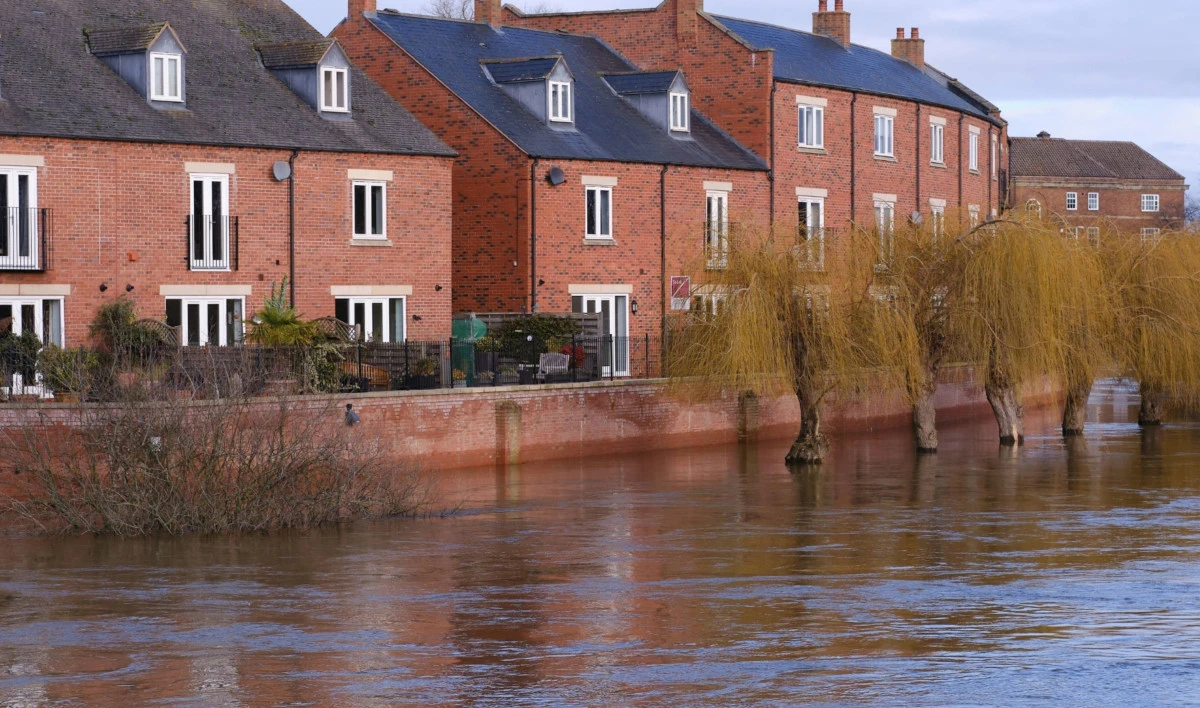
Key mitigation tips for landlords on how to best protect properties from flooding
A study undertaken by the Environment Agency in 2024 found that 6 million homes in England were at risk of flooding. With the potential for this number to rise to 8 million by 2050*, property owners can expect to face increased repair costs and a decline in the value of their portfolios if they do not take adequate protective measures.
In this article, we discuss the different types of flood risk, the impact of damage to tenants/landlords and outline key defensive strategies property owners can implement to safeguard their assets.
Types of flooding
Property owners must understand the specific flood risks their buildings are vulnerable to. This helps determine the strategies that can be put in place to protect their assets. Below are the key types of flooding to be aware of.
- Fluvial: rivers overflowing its banks due to excessive rainfall or snowmelt.
- Pluvial: heavy rainfall overwhelms drainage systems which prevents water from being absorbed by the ground.
- Coastal: takes place when dry, low-lying coastal areas are inundated by seawater.
- Groundwater: occurs when the water table (the level of groundwater beneath the earth's surface) rises above the ground level, causing water to emerge.



Miller is here to help
In addition to mitigation methods, property owners need to have the right insurance in place to protect them from significant loss should the worst happen.
Miller offers comprehensive risk and insurance solutions for property owners looking to safeguard their investments. We work closely with you to understand your unique requirements and use our market relationships to find and source the right coverage in turn.
Get in touch to find out more.
Get in touch

Stephen Andrews
Executive Director - Head of Real Estate +44 (0) 20 7031 2096 [email protected] Read more
Christopher Dines
Senior Director - Head of Client Service - Real Estate +44 (0) 20 7031 2430 [email protected] Read more