The importance of flood risk assessments and their impact on solar farm insurance

Until recently, solar power projects were seen as low risk for insurers. As a result of significant natural catastrophe losses in recent years, this is beginning to change. Weather events such as heavy rainfall and subsequent flooding have driven insurers to evaluate their view of natural risks.
In particular, flooding is an area where underwriting information is critical to securing cost effective cover, even in lower risk territories. If your site is in a flood risk zone, risk mitigation will be required.
UNDERSTANDING THE EXPOSURE TO RISKS
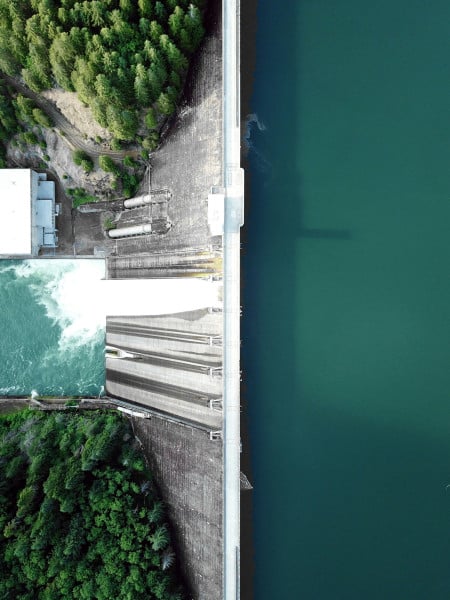
Flood risk assessments (FRAs) are crucial for solar farm projects as they provide a detailed understanding of the potential flood hazards that a site may face. By evaluating the site’s historical flood data, FRAs help identify areas at risk of flooding. This information is essential for accurately assessing the insurable flood risks associated with solar installations. For example, if a solar farm is located in a low-lying area adjacent to a reservoir, the FRA can highlight specific vulnerabilities that need to be addressed in insurance coverage.
ACCURATE PREMIUM PRICING AND DEDUCTIBLE LEVELS
A comprehensive assessment allows insurers to determine appropriate premium levels that reflect the true exposure of the site, as well as setting the right deductible level. Without accurate FRAs, insurers may underestimate risks, leading to inadequate coverage and financial losses during catastrophic events.
TAILORED INSURANCE COVERAGE
FRA findings enable insurers to tailor insurance policies specifically to the unique characteristics of each solar farm. By understanding site-specific risks such as potential flooding depths and velocities, insurance products can be customised to include necessary endorsements or exclusions that align with actual risk levels. This tailored approach ensures that solar farm operators have adequate protection against potential losses while also optimizing their insurance costs.
MITIGATION STRATEGIES AND RESILIENCE PLANNING
FRAs inform design considerations that enhance resilience against flooding events. By identifying vulnerabilities early in the project development phase, engineers can implement mitigation strategies such as elevating critical infrastructure above expected flood levels or designing effective drainage systems. These proactive measures reduce potential damage during floods and contribute positively to an insurer’s assessment of risk.



MILLER IS HERE TO HELP
Miller’s REET team are well placed to provide assistance for clients operating across the renewable energy sector, as well as traditional energy and power companies transitioning to a low carbon world.
As your specialist insurance advisor, we are here to support you at every stage of your solar project lifecycle. The key is to engage us early for maximum output and risk mitigation guidance.
At the design stage, we can assist with reviewing any preliminary reports and engage with insurers and their engineers in these early stages to help identify any areas of the design that might need improving. We have bespoke questionnaires we can share which will help us gather all the relevant information together, as required by insurers, as well as setting up safe and secure file transfers platforms to assist you in providing supporting documentation.
In addition to the actual placement of insurances, we are here to assist with reviewing contractual obligations against the proposed insurance terms to ensure that the policies meet the requirements of key stakeholders. For example, ensuring the inclusion of lender’s insurance requirements if the project is debt financed, or that the structure is consistent with the contractual requirements of an EPC contract. We can also draw upon our experience in the industry to review proposed insurance schedules when engaged at an early stage.
Get in touch

Rhys Newland
Senior Director - Head of Renewable Energy and Environmental Tech +44 (0) 20 7031 2857 [email protected] Read more
Ellie Fyfe
Associate Director - Renewable Energy and Environment Tech +44 (0) 1473 907 568 [email protected] Read more
Kelly Stevens
Renewable Energy & Environmental Technology +44 (0) 2070 312 322 [email protected] Read more
Alice Glenister
Senior Director - Head of Parametrics +44 (0) 20 7031 2082 [email protected] Read more